
Healing childhood wounds.
A community member shares how Islamically integrated therapy helped her unpack childhood wounds and heal a relationship with faith weighed down by shame.
For many years, I struggled with my religious practice. I never doubted Islam itself, but something always felt blocked. My five daily prayers often felt heavy, and I carried a quiet belief that maybe I just wasn’t good enough. Most people are shocked when they hear this, because I come across as self-assured. That’s the thing about mental health — what you see on the outside is not a reflection of the struggles someone may be facing internally.
In March 2020, I had just given birth to my second child when COVID began. The isolation and uncertainty of that time were overwhelming, and I began experiencing postpartum depression and anxiety. Soon after, Ramadan arrived.
I tried to carve out time for dhikr and prayer. A voice in my head kept repeating: I’m not a good model for my children. How can I ever make up for all the prayers I’ve missed?
At the time, I thought it was simply guilt. But later, I understood that it was something deeper. It was shame.
The weight of shame
Shame has a way of convincing you that you are not worthy, that you are not good enough to even try. Slowly, it can create distance between you and the very thing your heart is longing for. In my case, it created a mental block between me and my faith. I was ashamed to admit what I was going through, even to my husband.
During that time, I began watching Islamic lectures online, searching for some sense of grounding. That is when I first came across Dr. Rania Awaad. Hearing her speak about Islam and mental health together was eye-opening. For the first time, I began to understand that caring for my mental health was not separate from my faith — it was part of the amanah Allah has given us.
Finding integrated care
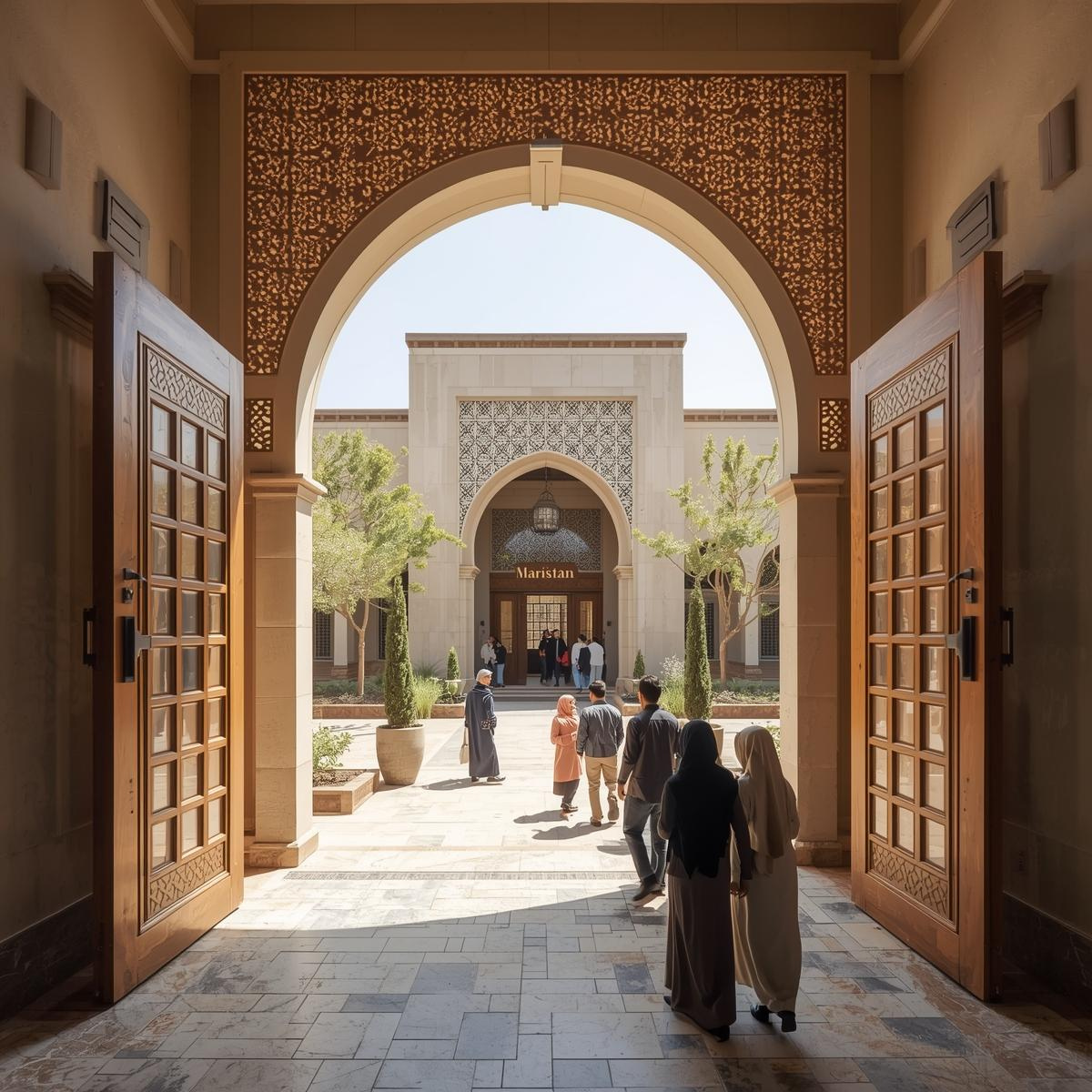
I had been seeing a therapist for years at that point, but something was missing. The spiritual dimension of healing was just not there. Dr. Rania’s work introduced me to the concept of Islamically integrated therapy, and that eventually led me to Maristan’s clinic.
In 2024, I began receiving services through Maristan, and it changed my life. Through therapy, I began unpacking childhood wounds I had carried for years — not realizing how much they had affected my relationship with Allah.
Come to Allah as you are, imperfections and all.— Dr. Rania Awaad
That message stayed with me. It helped me understand that my parents are human and imperfect. I am imperfect. And the only One who is perfect is Allah ﷻ. Slowly, my relationship with my faith began to heal.
Today, I feel closer to Allah and more able to show up as a better mother, wife, daughter, and person. This healing did not just benefit me — it changed the atmosphere in my home and the way I show up for my family.