
Reviving a legacy: Islamic psychology in the 21st century.
What the historic maristans understood about the soul — and what their tradition of Ilm al-Nafs teaches modern, evidence-based culturally responsive care.

For centuries before the word “psychiatry” entered the English language, physicians in the Islamic world were treating mental and emotional distress with remarkable sophistication. In the maristans — the hospitals of the medieval Muslim world — care for the soul was inseparable from care for the body.
These institutions, from Baghdad to Cairo to Fez, offered something the modern clinic is only beginning to rediscover: that healing is most effective when it honors the whole person — their faith, their culture, and their lived experience. At Maristan, we carry that legacy forward, not as nostalgia, but as a living, evidence-based practice.
What the maristans understood
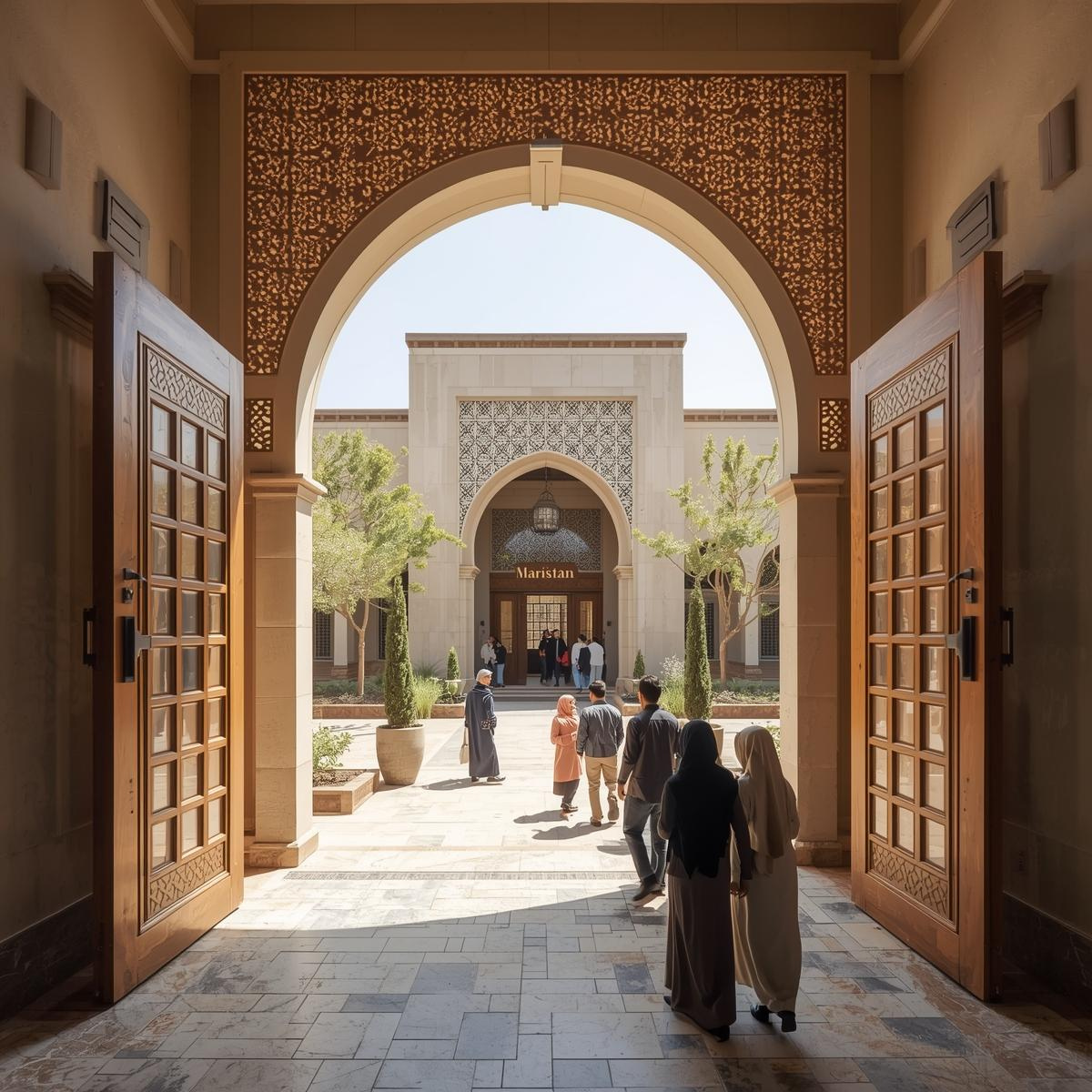
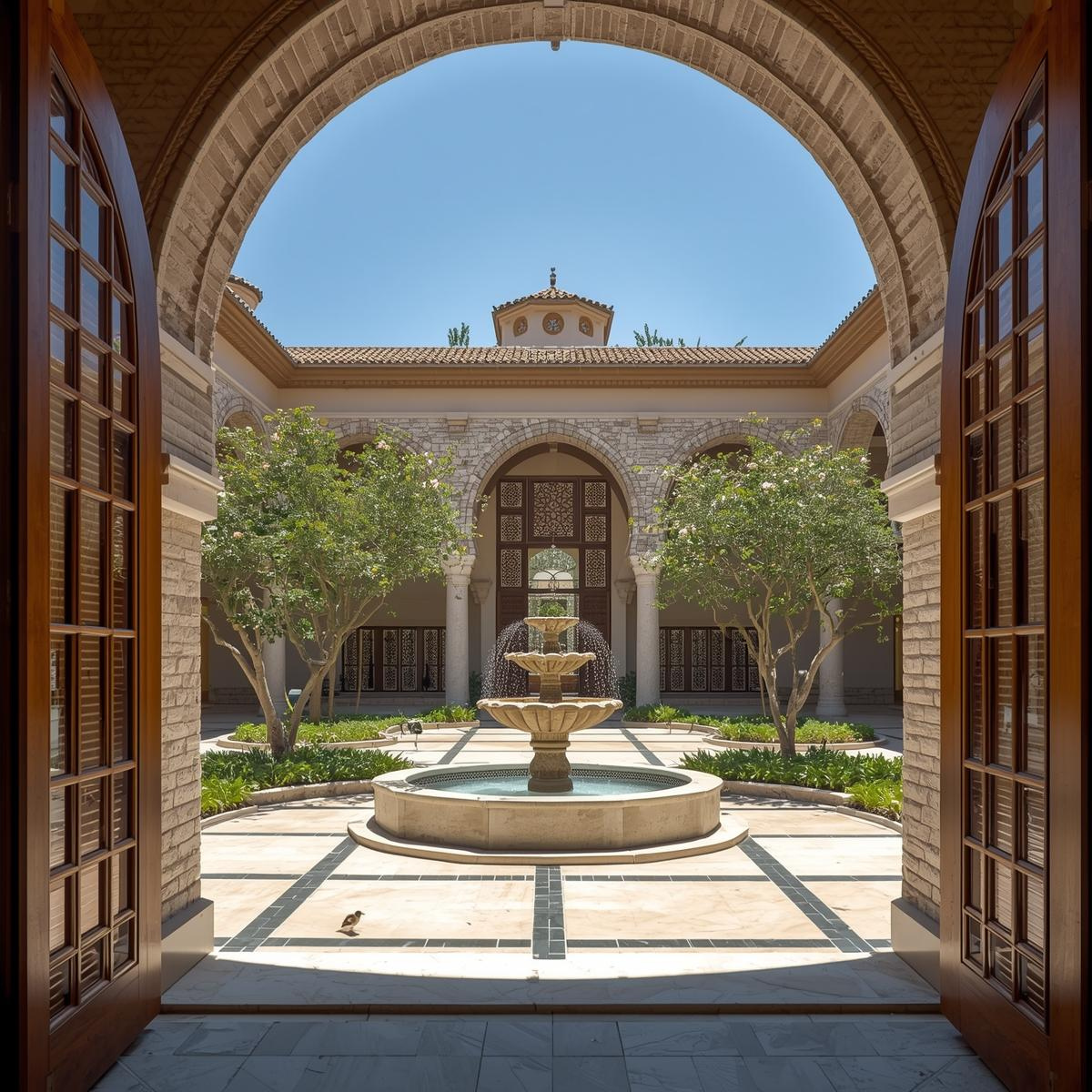
The maristan was never only a place of medicine. Its architecture — courtyards open to light, the constant sound of flowing water, gardens planted with healing herbs — was itself part of the treatment. Distress was met with dignity, and patients were treated as people deserving of beauty and rest, not symptoms to be managed.
Care for the soul was inseparable from care for the body — and beauty itself was understood as medicine.
This tradition was grounded in Ilm al-Nafs — the science of the self, or the soul. Scholars such as al-Balkhi, writing in the 9th century, distinguished between conditions of the body and conditions of the heart, and prescribed for both. His insights into what we would now call cognitive and behavioral therapy predate their Western formulation by more than a thousand years.
Why it matters today
For many Muslims and other people of faith, mainstream therapy can feel like a choice between their clinical needs and their spiritual identity. Too often, care asks them to leave part of themselves at the door. The result is a quiet suffering — help sought, but never quite found.
Reviving the spirit of the maristan means refusing that false choice. In practice, this looks like:
- Clinicians trained in both evidence-based modalities and cultural humility.
- Treatment that makes room for faith without imposing it.
- Care held in community — family, congregation, and clinician together.
- A standard of dignity that treats every story as worthy of being heard.
The science has caught up with what the maristans knew. A growing body of research — much of it advanced through our partnership with the Muslim Mental Health & Islamic Psychology Lab at Stanford — shows that culturally congruent care leads to better engagement, stronger outcomes, and less stigma around seeking help in the first place.
To honor this legacy is not to recreate the buildings of the past, but to revive their spirit with the tools of the present. That is the work of Maristan: to ensure that no one has to choose between being understood and being well.